
Is It True That Earmuffs Are Effective?
Deanna Lennox • July 30, 2021
Are Earmuffs Really Effective?
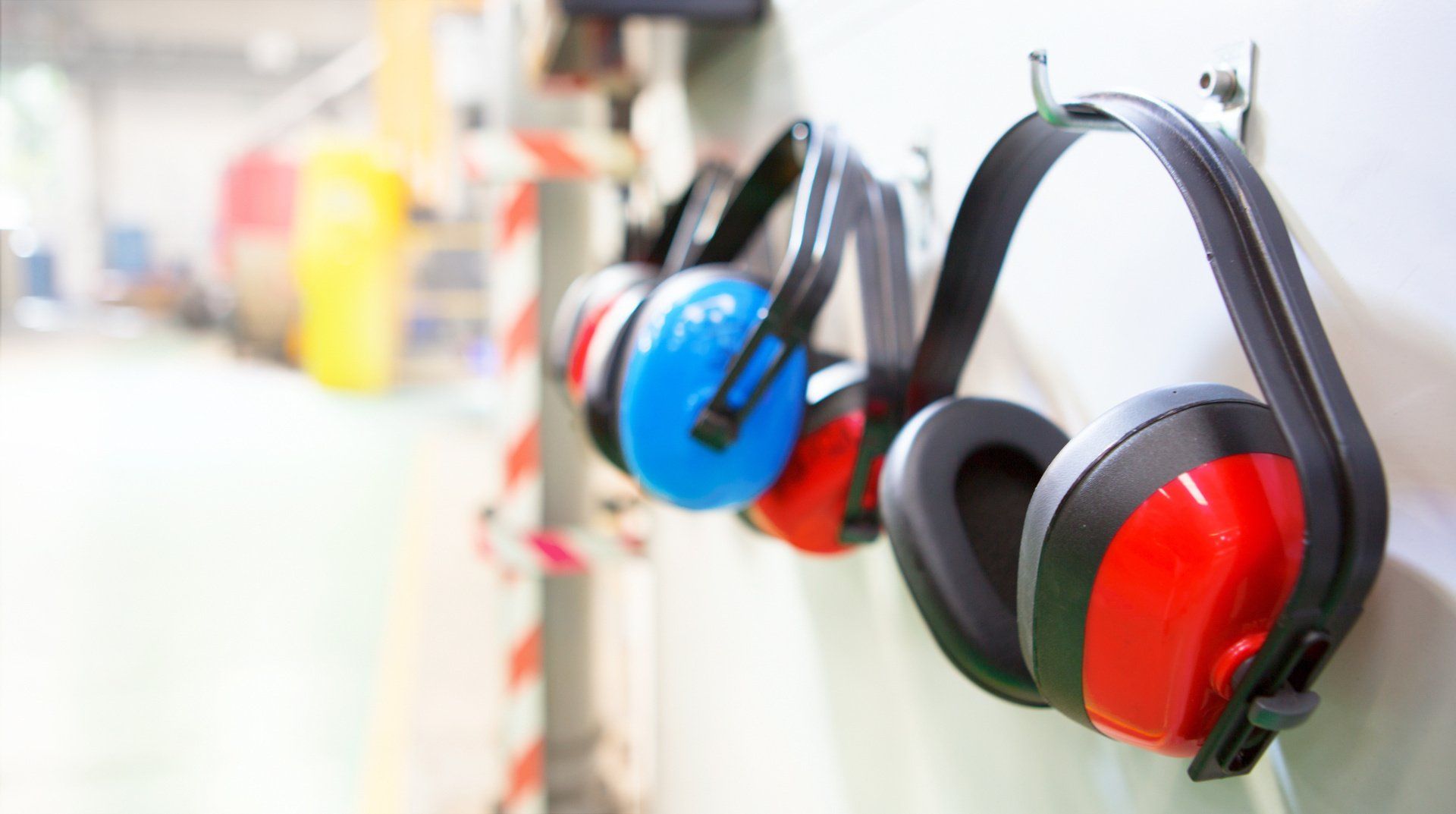
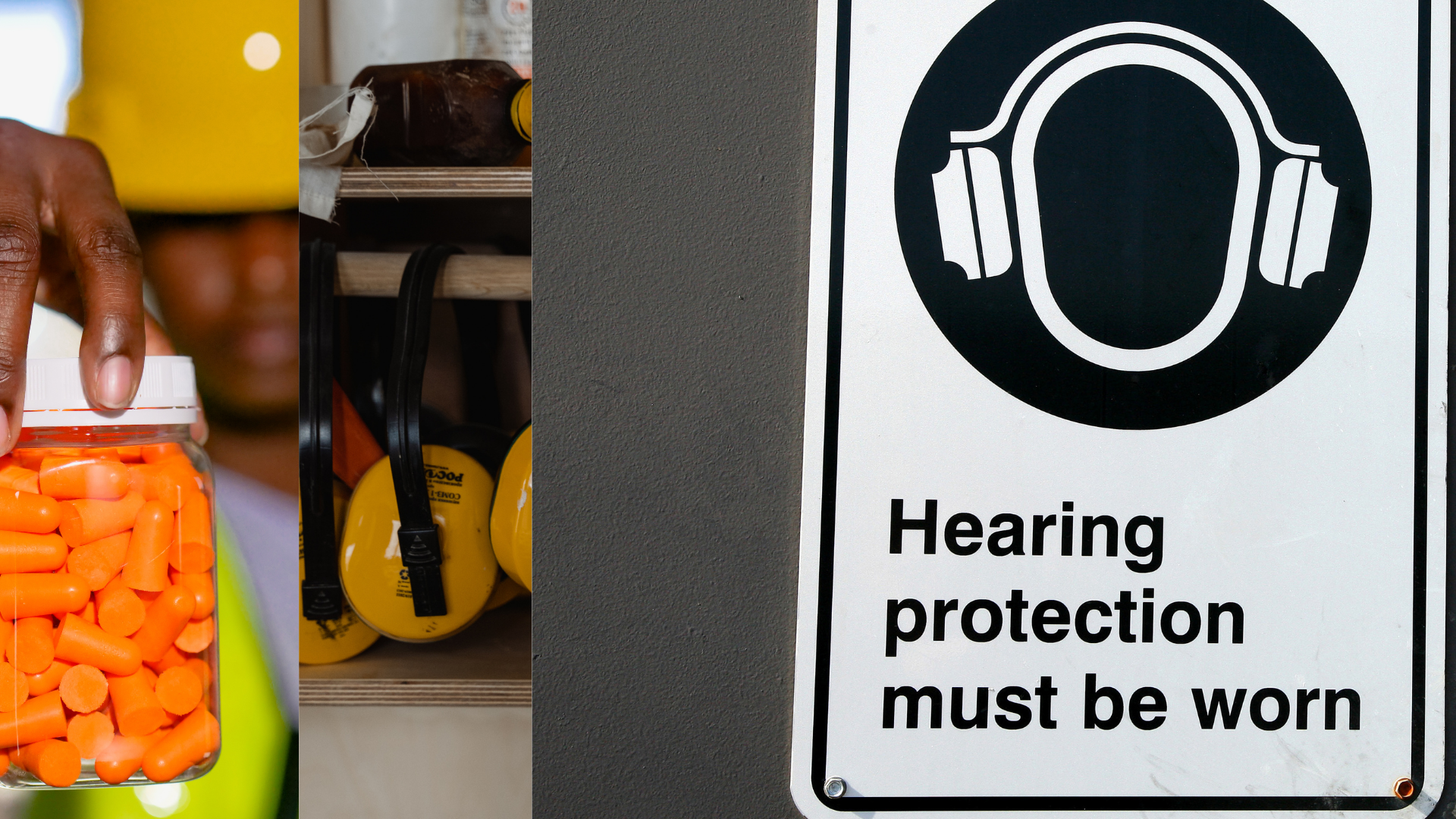
Earmuffs are a type of Personal Hearing Protection Device, similar to disposable earplugs and molded earplugs (PDHP). Earmuffs, unlike earplugs, are worn over the ears and are attached by a headband that goes over the top of the head. They shield the user's ears by covering them with two shells that block out the ambient noise. The following are some of the benefits of this form of hearing protection:
- Simple to use: provides immediate protection with no visible risks. Reusable and even shareable if properly cleaned: In the office, the same set of earmuffs can be shared among employees.
- Affordable: Earmuffs can range in price from $15 to $60 per pair, although certain types can cost several hundred dollars. - Earmuffs generally muffle between 26dB(A) and 35dB(A) of sound (A).
With benefits like these, it's simple to see why ear muffs are used by so many individuals for all types of work in noisy situations, whether for professional (metallurgy, aviation, construction, etc.) or personal reasons (gardening, DIY, concerts, etc.).
While it is indisputable that this form of Personal Hearing Protection Device is adequate for a specific purpose, the limitations of earmuffs become apparent when noise protection is needed throughout the workday without restriction.
Let's look at three main characteristics that Personal Protective Equipment (PPE) must have in order to be accepted and used effectively by your employees: comfort, communication, and adaptability.
Are Ear Muffs a Good Fit?
Employees will not wear PPE that is uncomfortable for the entire day at work. If an employee is uncomfortable while wearing hearing protection, they will be inclined to take it off. Because a PHPD that is not worn 100 percent of the time when exposed to noise is ineffective, the risk of hearing loss is greatly enhanced.
Earmuffs begin to show their limitations in terms of comfort.
Earmuffs' weight
A passive noise-canceling headset weighs between 200 and 600 grams, depending on the level of attenuation it provides. It is made largely of stainless steel, PVC, and other durable materials. Indeed, the higher the attenuation, the more foam or liquid is required for insulation, resulting in increased weight. This weight may appear insignificant for a one-time, short-term use, but towards the conclusion of an 8-hour workday, it becomes far less so.
Because of this embedded technology, the so-called "active" anti-noise helmets, which have one or more microphones installed on the shells to amplify or reduce the ambient noise in real-time, are heavier. When you add another microphone, batteries, and other accessories to converse in noise, their weight increases even more.
A fragile balance between insulation and compression
To protect effectively from a noisy environment, an earmuff must exert constant pressure on the ears of the wearer to create a permanent seal. Indeed, the slightest leakage significantly reduces the effectiveness of the protection, thereby increasing the risk of hearing loss. This is why wearing earmuffs over a hat is not recommended.
Because of this permanent seal, a feeling of pressure can often be felt after several hours of use. This uncomfortable sensation may cause the user to remove the headset for relief, again posing a risk to hearing.
Ear muffs in extreme conditions
The use of ear muffs is often associated with extreme noise conditions. Indeed, it is the only protection that can be used as a second layer of insulation in cases where double hearing protection is necessary, i.e. when a single type of PHPD does not allow attenuation to fall below the threshold of 80 dB (A).
When worn in hot conditions, earmuffs negatively affect the comfort of the wearer. The pressure exerted by the pads on the ears leads to sweating and heat that make ongoing wear difficult.
Communication in a noisy environment
Another important consideration when choosing a Personal Hearing Protection Device that is most suited to your employees' needs is their capacity to communicate in noisy surroundings.
The necessity to communicate despite the high attenuation
Earmuffs often reduce sound levels by 26 to 35 decibels (A), making them ideal for noisy environments. It is impossible to communicate without removing the ear protector in certain circumstances.
According to a member of a French law enforcement unit who wore noise-canceling headphones before switching to Cotral Lab molded plugs, not wearing hearing protection, even for a short time, can have major effects for hearing:
“During our firing range sessions, we equipped ourselves with anti-noise helmets to protect us, but there are often problems due to a shot at the wrong time. [...] During an exercise, a grenade exploded and since then, I have suffered from permanent tinnitus.”
PHPDs aren't all created equal when it comes to communication.
Adaptability
Giving your employees the same type of PHPD is like giving them all the same size safety shoes: just a few people will be satisfied. Hearing protectors must be compatible with your employees' specific needs in order for them to be accepted and worn.
Ability to adapt to a noisy environment
Using a PHPD with too high an attenuation compared to the ambient noise can protect the employee from dangerous noise while also isolating him or her from sounds that are necessary for safety, such as fire alarms, approaching trucks, and the machinery on which he or she works.
It's crucial to know how much noise your employees are exposed to before selecting the finest PHPD to protect them.
Compatibility with other personal protective equipment
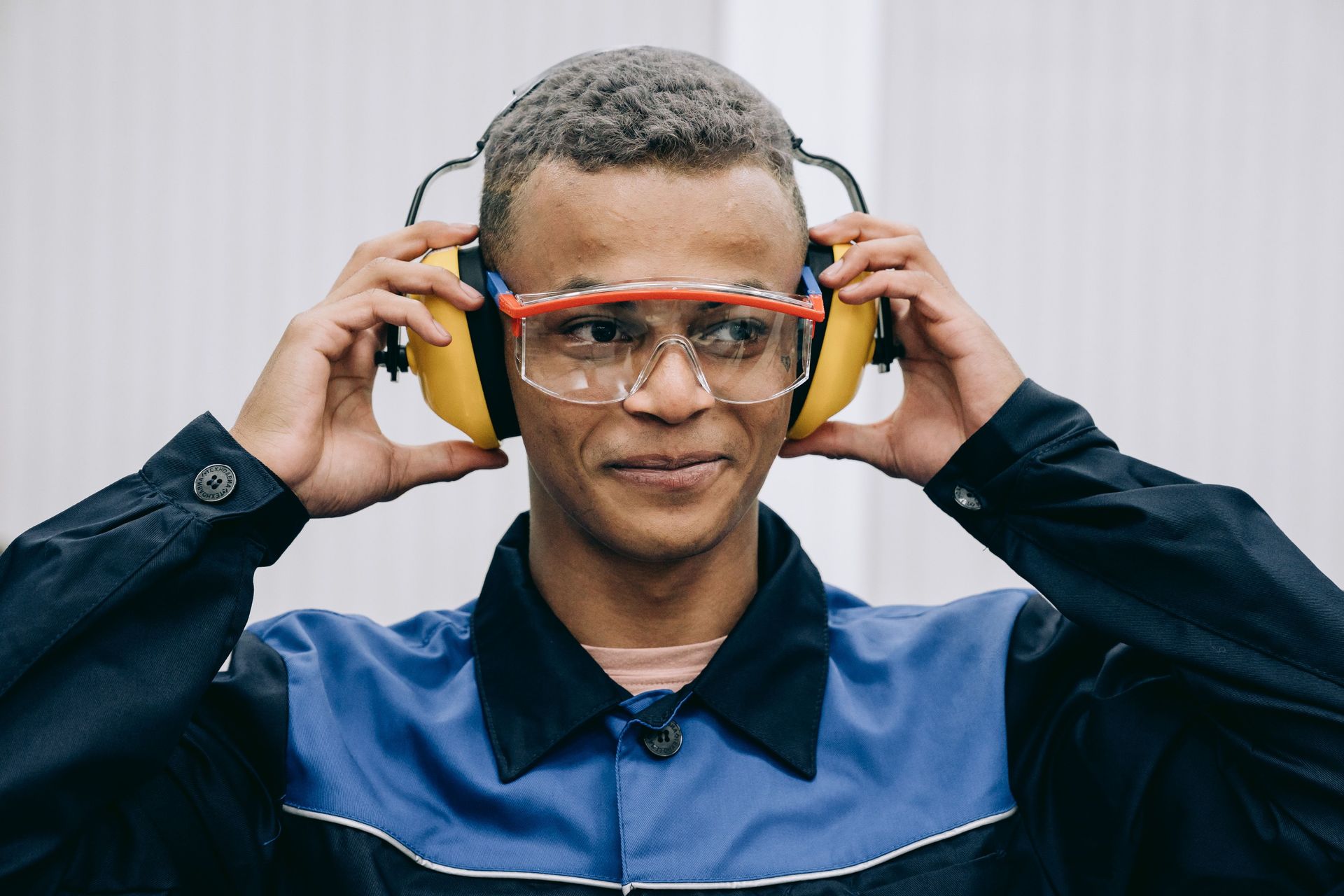
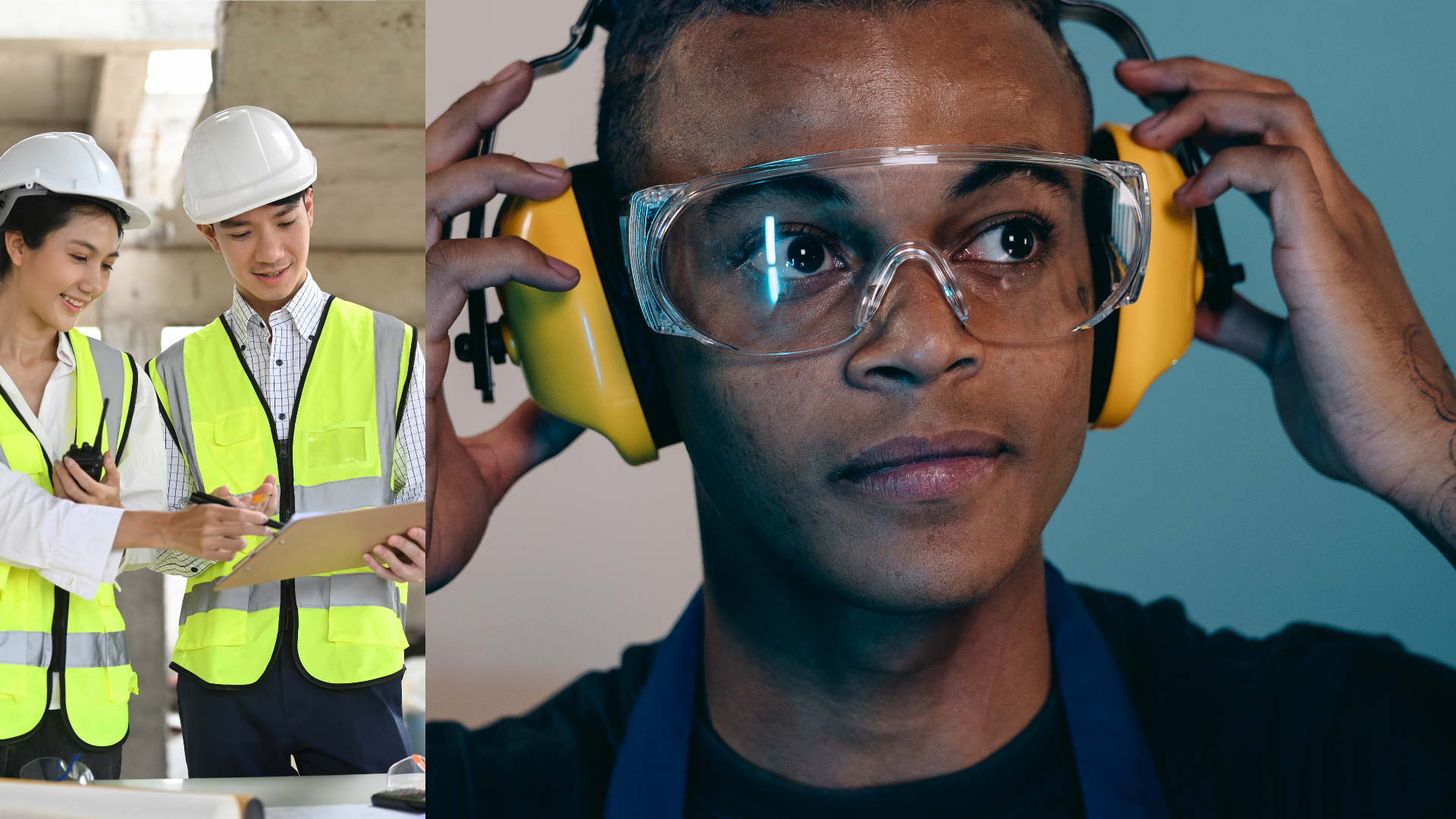
Although there are theoretical options for combining Personal Protective Equipment, compatibility of earmuffs and other PPE can be troublesome in practice, depending on the combination of items required (noise-canceling headphones + safety goggles, helmet + headband + mask, etc.). When safety glasses are worn with an earmuff, the seal between the earmuff and the side of the face is broken, reducing the earmuff's effectiveness. The level of protection achieved will be significantly lower than what the user believes they are getting. A class 5 earmuff can be reduced to a class 3 earmuff using this method.
Comfort during lengthy usage must be addressed in all circumstances, especially when used in conjunction with other forms of PPE worn by your staff.
Conclusion
Earmuffs can be a viable solution for infrequent use or under harsh conditions where communication is not critical, and are preferable to disposable earplugs because of their ease of use. On the other hand, another sort of PHPD is highly recommended for everyday use where communication is a deciding element.

Are You Monitoring Lung Health Properly?
Is Your Hearing Testing Provider Missing This? Things Every Hearing Conservation Program Should Include.
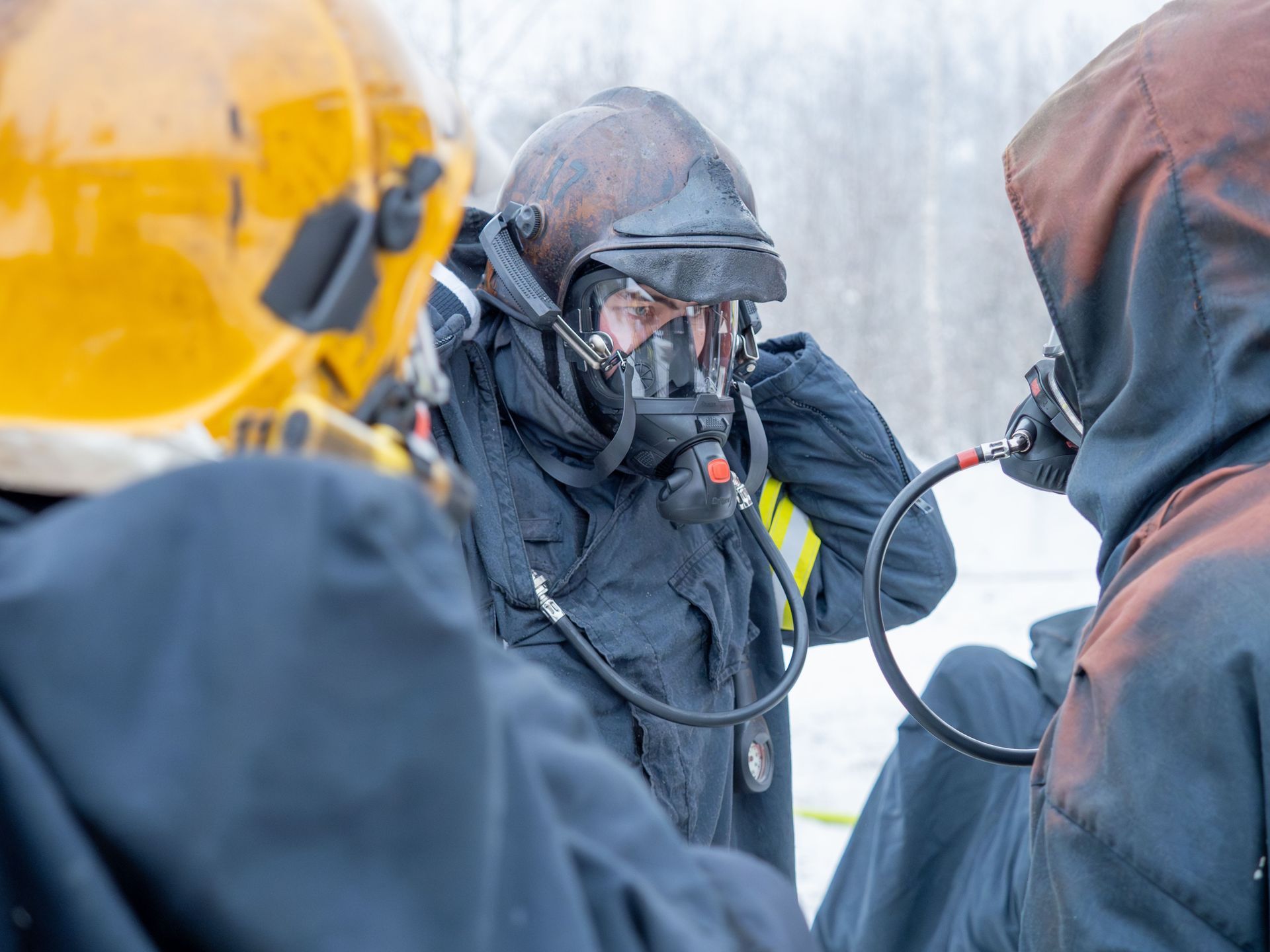
Respirators are only effective when they fit correctly. Even the highest-quality respirator cannot provide the protection it's designed for if the seal between the respirator and the wearer's face is compromised. That's why annual respirator fit testing is more than just a regulatory requirement—it's an essential part of protecting your workforce, reducing liability, and maintaining a safe workplace. If your annual fit testing deadline is approaching, now is the time to schedule. Waiting until the last minute can lead to unnecessary delays, compliance issues, and increased risk for your employees. Why Is Annual Respirator Fit Testing Required? Annual fit testing is required by OSHA for employees who wear tight-fitting respirators as part of their job. While the annual requirement satisfies regulatory compliance, it also serves a much more important purpose: confirming that each employee's respirator still fits properly. A respirator that fit perfectly last year may no longer provide adequate protection today. Changes that can affect respirator fit include: Weight gain or weight loss Changes in facial structure Different respirator sizes or models Wear and tear on the respirator itself Damaged face seals or malfunctioning valves Annual testing gives employers confidence that their workers remain protected while giving employees peace of mind that their respirator is functioning as intended. The Biggest Misconception About Annual Fit Testing One of the most common misconceptions is that once an employee passes a fit test, they're protected indefinitely. In reality, respirators come in different sizes, and employees' faces can change over time. Even a small change can affect the seal, reducing the respirator's effectiveness. Another overlooked issue is equipment condition. During fit testing, damaged facepieces, cracked seals, or faulty exhalation valves are often discovered—problems that may otherwise go unnoticed until the respirator fails when it's needed most. Annual fit testing helps identify these issues before they become workplace safety incidents. Skipping annual fit testing can create significant risks for both employers and employees. Reduced Respiratory Protection - A respirator that no longer seals properly allows contaminated air to bypass the filter, exposing workers to hazardous airborne substances. Compliance Violations - Missing required fit testing can result in OSHA non-compliance, potentially leading to citations, fines, and increased legal liability. Increased Workplace Risk - Employees who are unsure whether their respirator fits correctly may lose confidence in their protective equipment, affecting both safety and morale. Simply wearing the correct respirator model isn't enough. If the seal fails—even because of a worn valve or damaged facepiece—the respirator may not provide the expected level of protection. What Happens During a Respirator Fit Test? Many employees expect fit testing to be uncomfortable or time-consuming, but the process is straightforward. A typical fit testing appointment includes: Medical Clearance - Before fit testing, employees usually complete a medical clearance questionnaire to ensure they are medically able to wear a respirator. The survey helps identify conditions that may require further medical evaluation, such as respiratory illnesses or other health concerns. Bring Your Respirator - Employees should bring the respirator they normally use and know its size (small, medium, or large). The Fit Test - The actual fit test generally takes about 10 minutes . During the test, the technician will ask the employee to perform several movements while wearing the respirator, including turning the head side to side, looking up and down, leaning forward, and speaking or reading aloud. These movements help verify that the respirator maintains a proper seal during normal work activities. Scheduling your Fit Testing early Many companies wait until their compliance deadline is just weeks away. Unfortunately, this often means limited appointment availability, scheduling conflicts, delays in completing testing, and increased administrative pressure. At Anadyne, we recommend scheduling your annual fit testing approximately three months before your deadline . Early scheduling gives both your organization and your provider enough time to plan efficiently, accommodate employee schedules, and avoid the busy compliance season. There are also important considerations that organizations should keep in mind during the testing to avoid these common but preventable respirator compliance mistakes: Employees Arriving with Facial Hair - Tight-fitting respirators require a complete seal against the face. Beards, stubble, and even one day's growth can prevent an employee from passing a fit test. Not Having Multiple Respirator Sizes Available - Not every employee fits the same respirator size. Having only one size available can delay testing and reduce protection. Treating Fit Testing as Just Another Requirement - Fit testing isn't simply paperwork for compliance. It's an opportunity to verify that respiratory protection is actually working as intended. Why Choose Anadyne for Respirator Fit Testing? For years, Anadyne has helped organizations strengthen their respiratory protection programs through reliable, professional fit testing services. When you partner with Anadyne, you receive: Experienced respiratory protection specialists Objective quantitative fit testing Accurate, reliable reports Support for OSHA compliance requirements Consultative guidance for your overall safety and respiratory protection program Our goal isn't simply to complete your annual testing—it's to help you build a safer workplace. Anadyne is also aware that not all fit testing methods provide the same level of accuracy.. Traditional qualitative methods rely on the wearer's senses—asking whether they can smell or taste a test agent. Anadyne uses a method called Objective quantitative fit testing , which utilizes specialized equipment to measure respirator performance and provide measurable data. This approach offers objective pass or fail results, greater accuracy, reliable documentation, and increased confidence in employee protection. When respiratory hazards are involved, objective measurements provide employers with stronger evidence that their respiratory protection program is working effectively. Schedule Your Annual Fit Testing Today Annual respirator fit testing protects your employees, supports OSHA compliance, and helps ensure your respiratory protection program performs when it matters most. Don't wait until the last minute. Schedule your annual respirator fit testing at least three months before your compliance deadline to avoid delays and keep your workforce protected. Contact Anadyne today to book your respirator fit testing and keep your compliance program on track .

In many workplaces, respirators are considered the last line of defense against airborne hazards. But even the best respirator won’t protect workers if the program behind it is outdated, incomplete, or inconsistently followed. As industries continue to prioritize workplace safety, 2026 is the right time for companies to take a closer look at their respirator protection programs — not because regulations suddenly changed overnight, but because compliance alone does not always guarantee protection. At Anadyne, we believe employers should move beyond “checking the box” and focus on creating programs that genuinely keep workers safe every day on the job. Why Companies Should Review Their Respirator Program Now Many organizations assume that if they passed an inspection or completed fit testing a few years ago, their program is still effective today. Unfortunately, that’s not always the case. A respirator protection program can gradually become outdated due to: Employee turnover Changes in job tasks or exposure risks Improper respirator storage and maintenance Weight fluctuations affecting fit Inconsistent training practices Missing documentation Delayed medical evaluations or fit testing The reality is this: a company can technically remain compliant with minimum requirements and still experience workplace injuries or respiratory exposure incidents. That’s why regular program reviews matter. Compliance Is Only the Beginning Respiratory protection standards are designed to establish minimum safety requirements. However, truly effective programs go further by ensuring workers consistently use and maintain their equipment properly between evaluations and fit tests. A worker may pass a fit test today, but what happens afterward? Are they: Shaving regularly to maintain a proper seal? Replacing filters when needed? Inspecting respirators for damaged seals? Properly storing equipment in sealed bags between jobs? Reporting major physical changes that may affect fit? These day-to-day behaviors determine whether respiratory protection actually works in real-world conditions. What a Complete Respirator Protection Program Should Include An effective respirator protection program should contain several critical components working together. 1. Fit Testing Fit testing confirms that the respirator forms a proper seal on the employee’s face. (objective testing is recommended to rule out known inconsistencies with subjective 'irritant smoke' methods) Even small facial changes, damaged equipment, or improper sizing can compromise protection. 2. Training & Education Training should go beyond simply teaching employees how to wear a respirator. Effective training helps workers understand: Why respiratory protection matters How improper use increases risk How to inspect equipment properly When to replace filters or cartridges Proper cleaning and storage procedures When to report issues or request reassessment The goal is not just passing a test, it’s ensuring workers remain protected every day between tests. 3. Documentation & Written Program Review Proper documentation is essential for both compliance and operational consistency. A written respirator protection program should clearly outline procedures, responsibilities, equipment protocols, training schedules, evaluation records, and emergency processes. Without regular review, written programs can quickly become outdated or disconnected from actual workplace practices. Don’t Wait Until There’s a Problem Delaying a respirator program review is similar to avoiding a routine medical check-up. If concerns already exist, waiting longer often increases the risk of larger problems later. The good news is that most companies can address issues proactively before they become serious safety incidents, compliance violations, or costly disruptions. A review today can help identify gaps early, while solutions are still manageable. How Anadyne Can Help In 2026, Anadyne is proud to expand its respiratory protection services to help companies strengthen workplace safety programs with confidence. Whether you need: Respirator fit testing Program evaluations Training support Written program reviews Guidance on best practices Our team is ready to help you build a program that supports both compliance and worker protection. Schedule a Respirator Program Review Protecting your workforce starts with understanding where your current program stands. Book a consultation with Anadyne today and take the next step toward a safer, stronger respirator protection program.

OSHA hearing conservation programs should be more than just words on a page. Hearing conservation should be a meaningful investment that will prevent hearing injury,
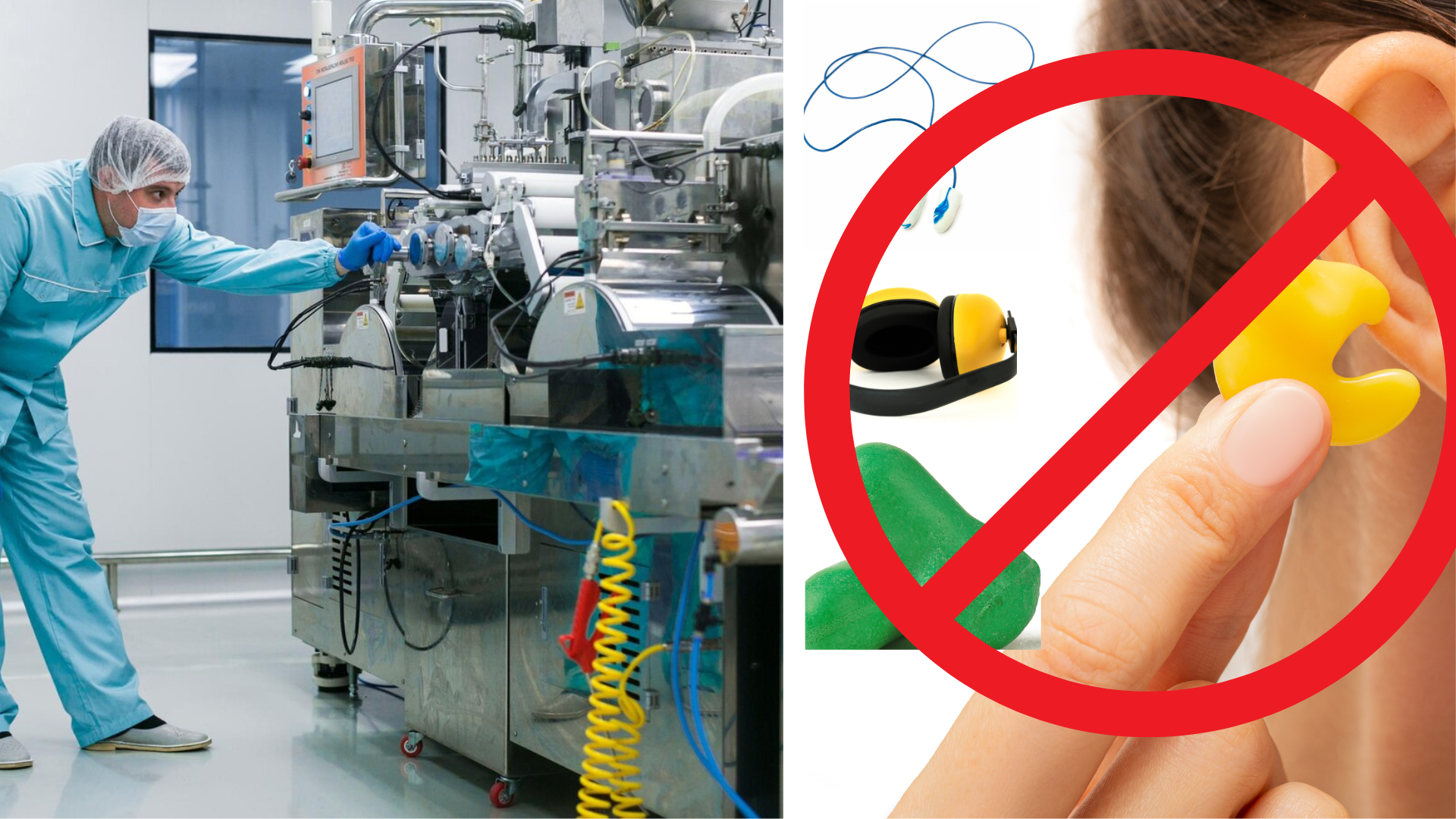
There are thousands of custom ear plug options, but what is going to provide protection and stay comfortable over extended times? Anadyne's custom hearing protection

Disposable ear plugs often come at a higher cost than we may expect. Choosing custom ear plugs often leads to substantial savings over time.
Choosing an NRR rating depends on the noise exposure of the employees, as well as balancing the need for hearing protection with the need for communication
Many companies choose hearing testing & hearing protection for their hearing conservation program. At Anadyne, we're here as a complete hearing conservation solution

Mobile hearing testing in the Pacific Northwest is unique compared to other states. That's why choosing a local provider with experience in the area is important