New Year’s Resolution: Prioritize Hearing Health at Your Workplace

Karl.B • January 17, 2020

Noise-induced hearing loss (NIHL) is a severe condition affecting millions around the world. NIOSH reports that 30 million U.S. employees are exposed to sufficiently high noise levels to cause a permanent loss of hearing. According to the United States Office of Labor Statistics, there are more than 20,000 instances of hearing loss in the work environment every year, many culminating in permanent hearing damage.

The Hearing Loss Association of America has also estimated that 60% of Americans with hearing loss are studying or still working. That means 60% of the nearly 40 million hearing loss Americans are still working.

More of your employees have hearing loss than you think.

Which jobs are at risk of NIHL?

Those who work in some sectors may be more likely (due to the nature of their work) to suffer hearing loss. People working in manufacturing, construction and other noisy environments, for example, are at an increased risk compared to people working in more sedate environments.

Here are some jobs that are considered high risk:

  • Construction workers
  • Bartenders
  • Agricultural workers
  • Musicians
  • Landscapers and gardeners
  • Manufacturing and assembly line workers

Why good hearing is important on the job

Better communication, better performance: Communication is everything in almost any job but changes in the job market mean it is more important than ever. Industrial work is increasingly being replaced by service and tech jobs that emphasize good communication skills and teamwork.  Poor hearing can hinder the overall ability of your workers to communicate efficiently in most cases and can contribute to a negative impact on their working relationships.

Increased productivity: The reluctance to treat hearing loss can affect work efficiency, job performance, and earnings. They can also pose a risk to our ability to hear sounds that signal work environment hazards, raise sick leave rates and reduced the overall quality of life of your workers. But the maintenance of good hearing can maintain and even improve the levels of productivity in your workplace.

Healthier workers: Hearing loss is associated with a wide range of other health disorders such as depression, diabetes, cardiovascular disease. It can also lead to an increased risk of falling and a loss of balance, which could increase the incidence of workplace accidents.

Prioritizing hearing health – it’s the law

By protecting your workers from hazardous listening levels through the federal limits set by the Occupational Safety and Health Administration (OSHA), you can reduce the health problems associated with noise exposure. If your workplace exceeds 85 decibels averaged over 8 working hours, you are required to implement a hearing conservation program at your workplace.

Hearing conservation programs are aimed at preventing initial hearing loss, preserving and protecting the remaining hearing capability, and equipping workers with the information and equipment needed to protect themselves.

Consider these solutions when creating your hearing conservation program:

  1. Design, engineering and administrate controls
  • Pick and buy low-noise machinery and equipment.
  • Routinely repair tools and equipment.
  • reduce vibration as much as possible.
  • Isolate the source of noise.
  • Place a screen between the source of noise and the worker.
  • Insulate the employee in a room or office away from the source of noise.

2. Provide adequate hearing protection

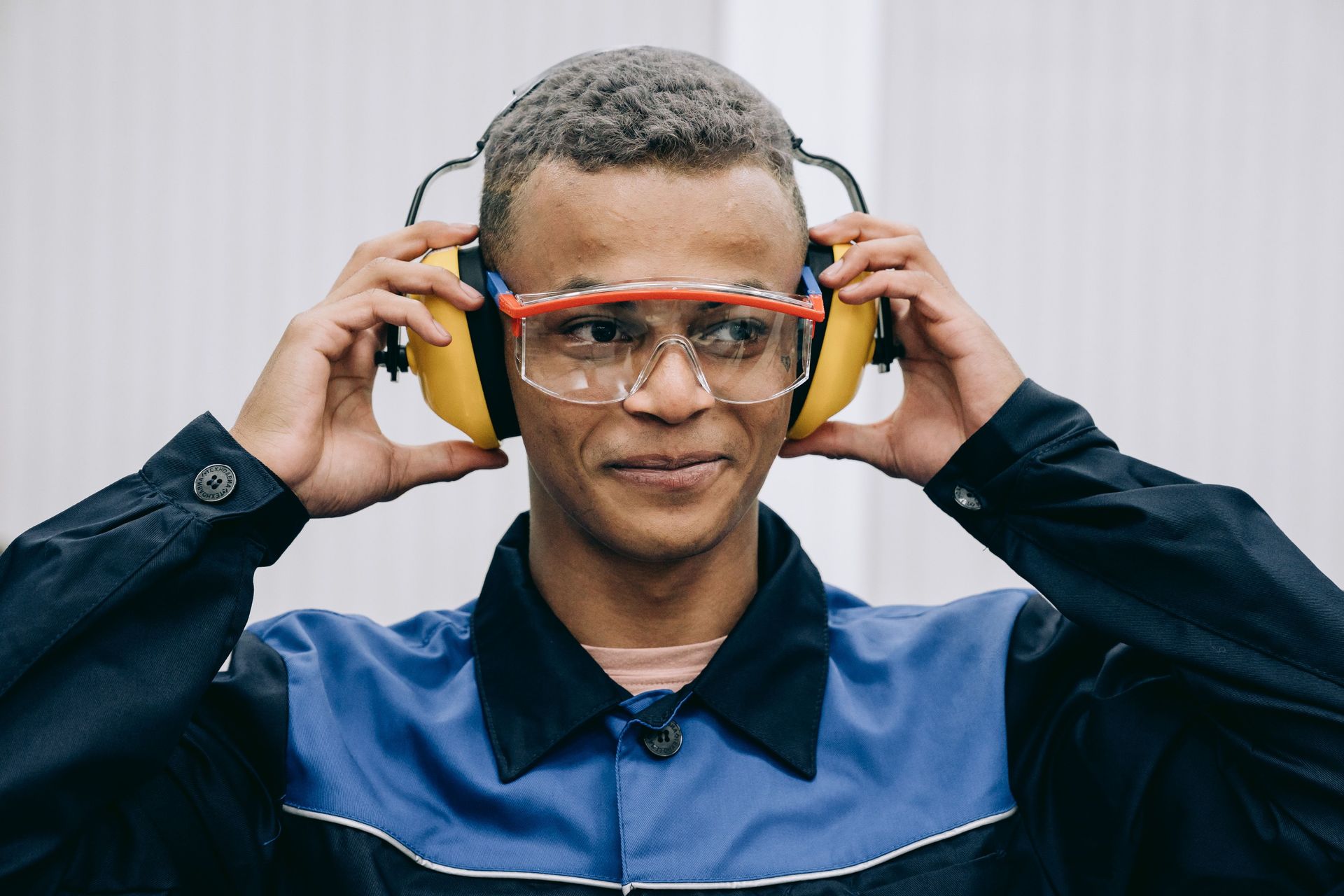
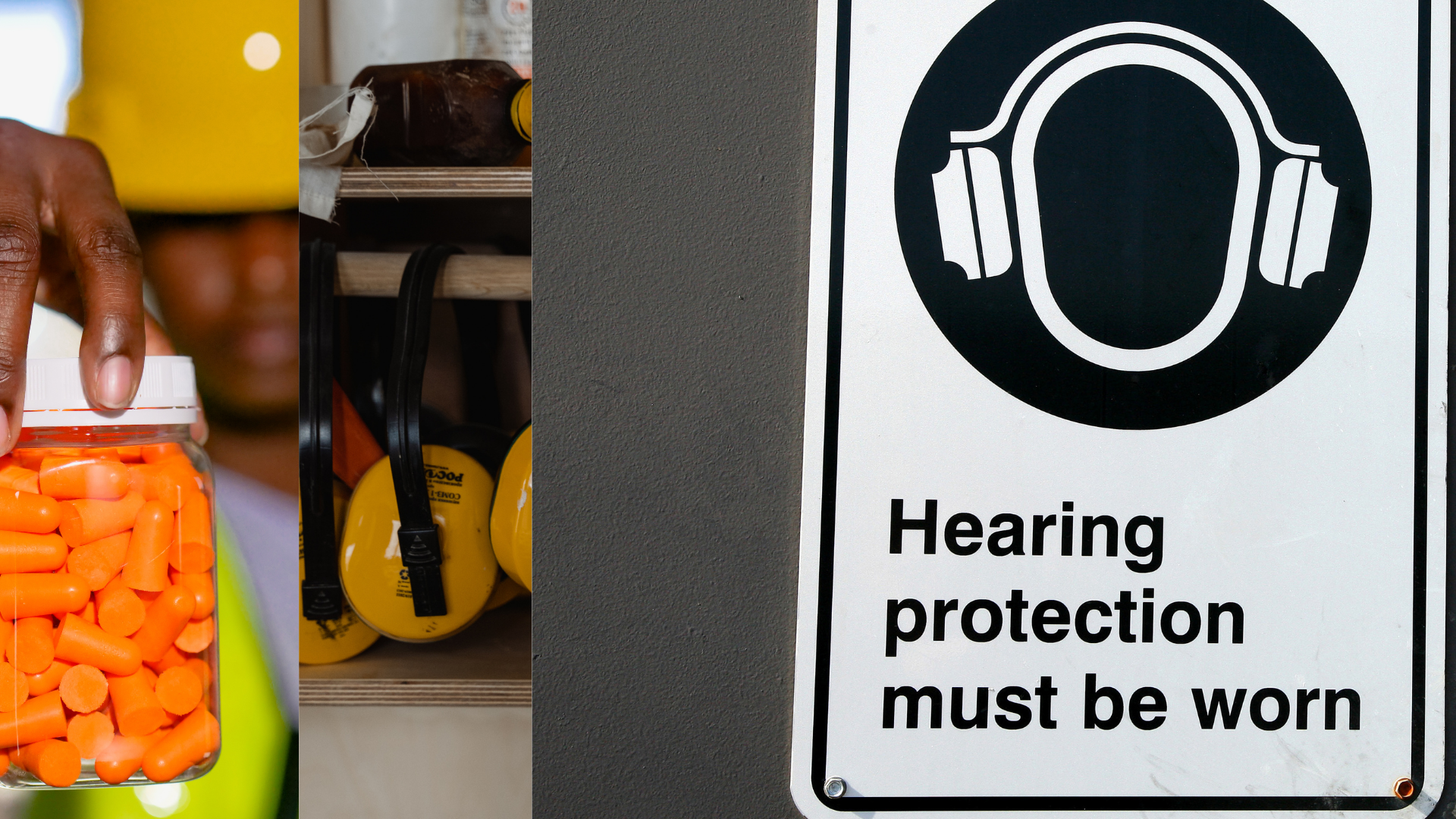
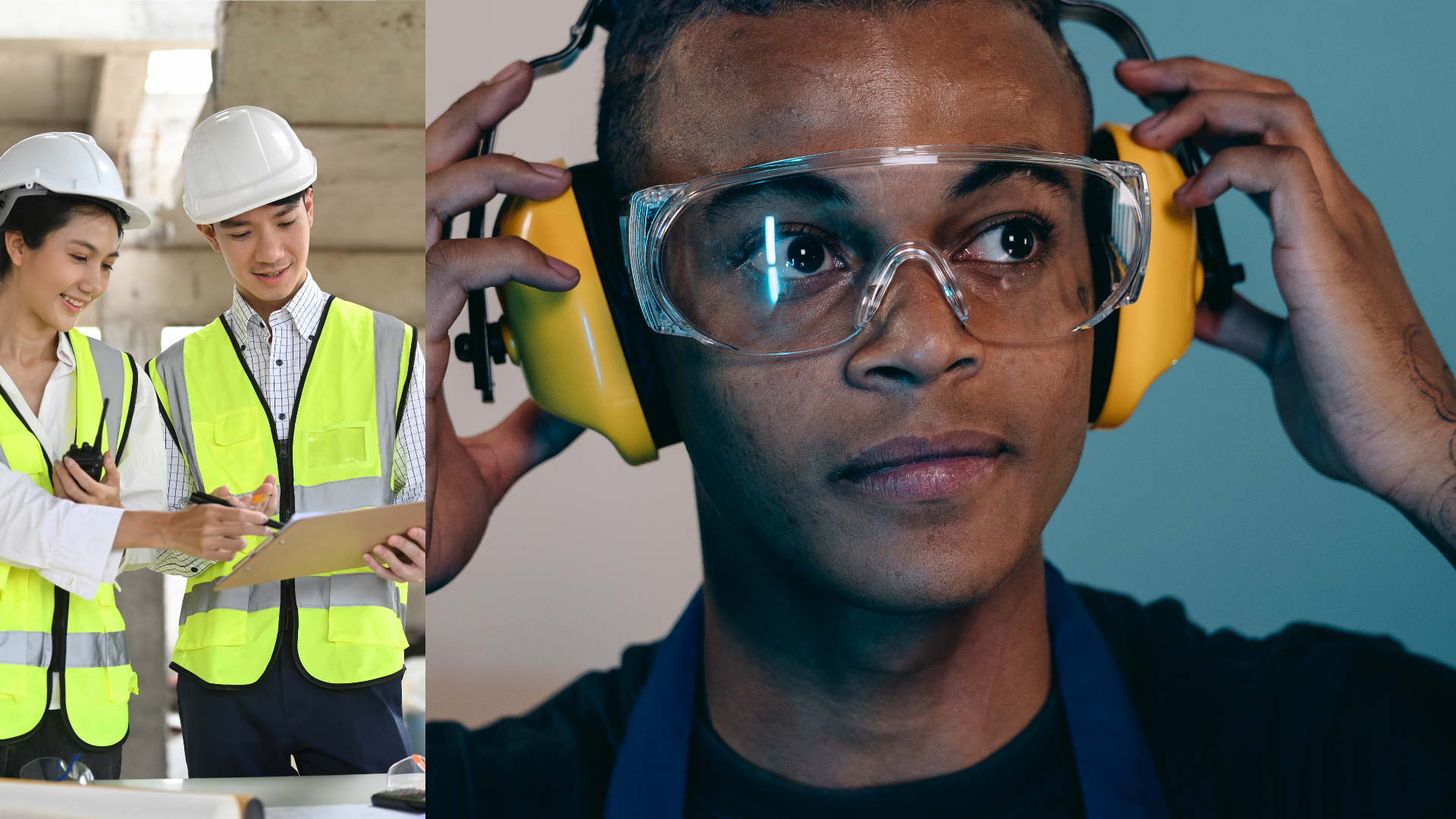
Earplugs and other safety equipment must be given to people who are required to work next to loud sounds. Not only that, you must provide education on the best way to fit these devices in the ear – there have been instances of workers who have worn poorly-fitted hearing protection and paid the ultimate price.

3. Conduct regular hearing testing

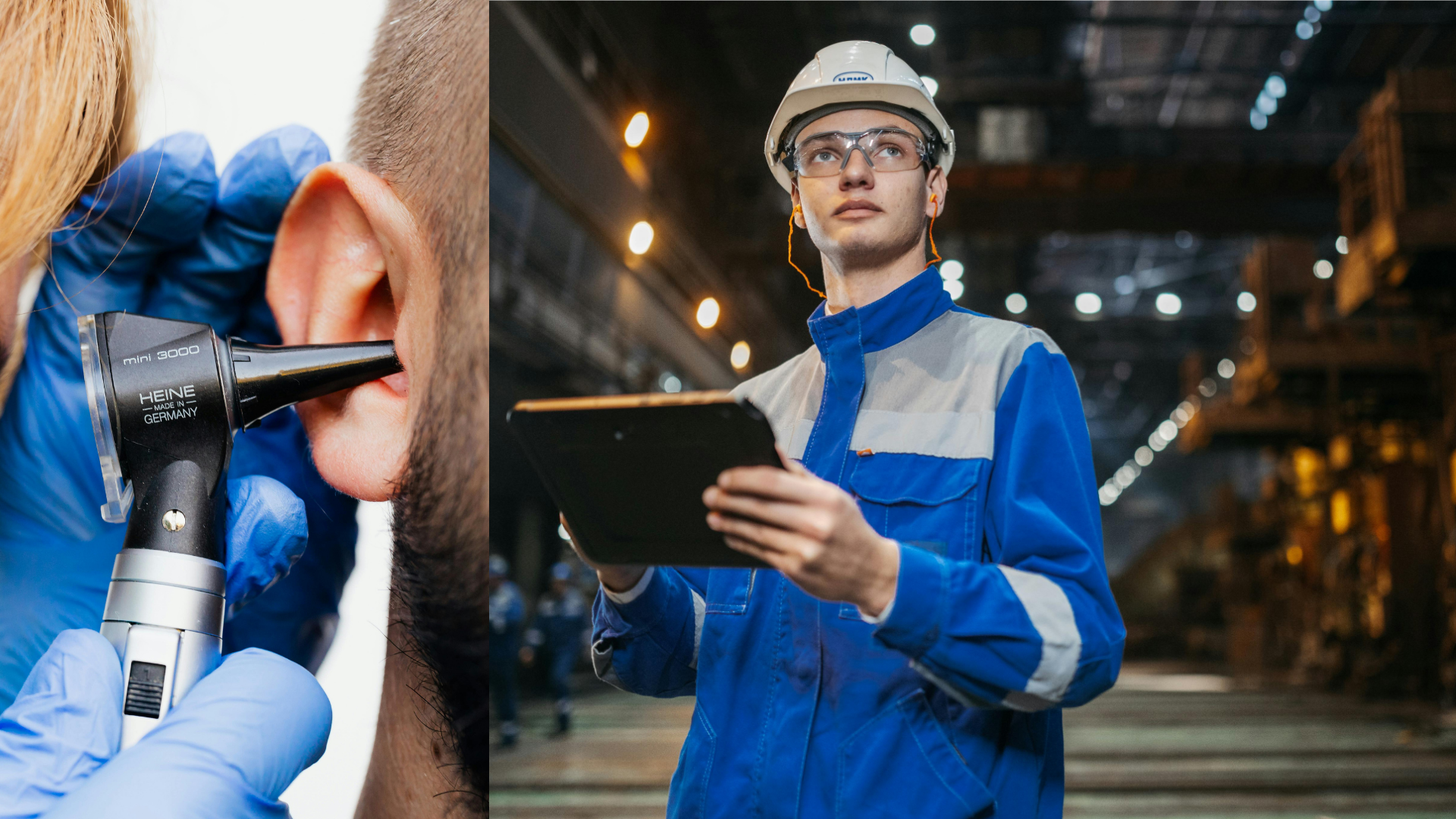
Training should be given to workers on a regular basis. It should cover the instructions on how to prevent hearing loss and education on how to diagnose the early signs and symptoms of hearing loss.

Anadyne

Great workplace communication is critical to both job performance and to getting a job. Great communication starts with great listening. And great listening starts with the ability to hear. Make sure your workers protect their ears this year, and you breed the conditions to help them provide you with many more years of faithful service. Contact us today to see how we can help maintain the hearing help of your workers this year.

By Mary Jane Bumanglag May 30, 2026
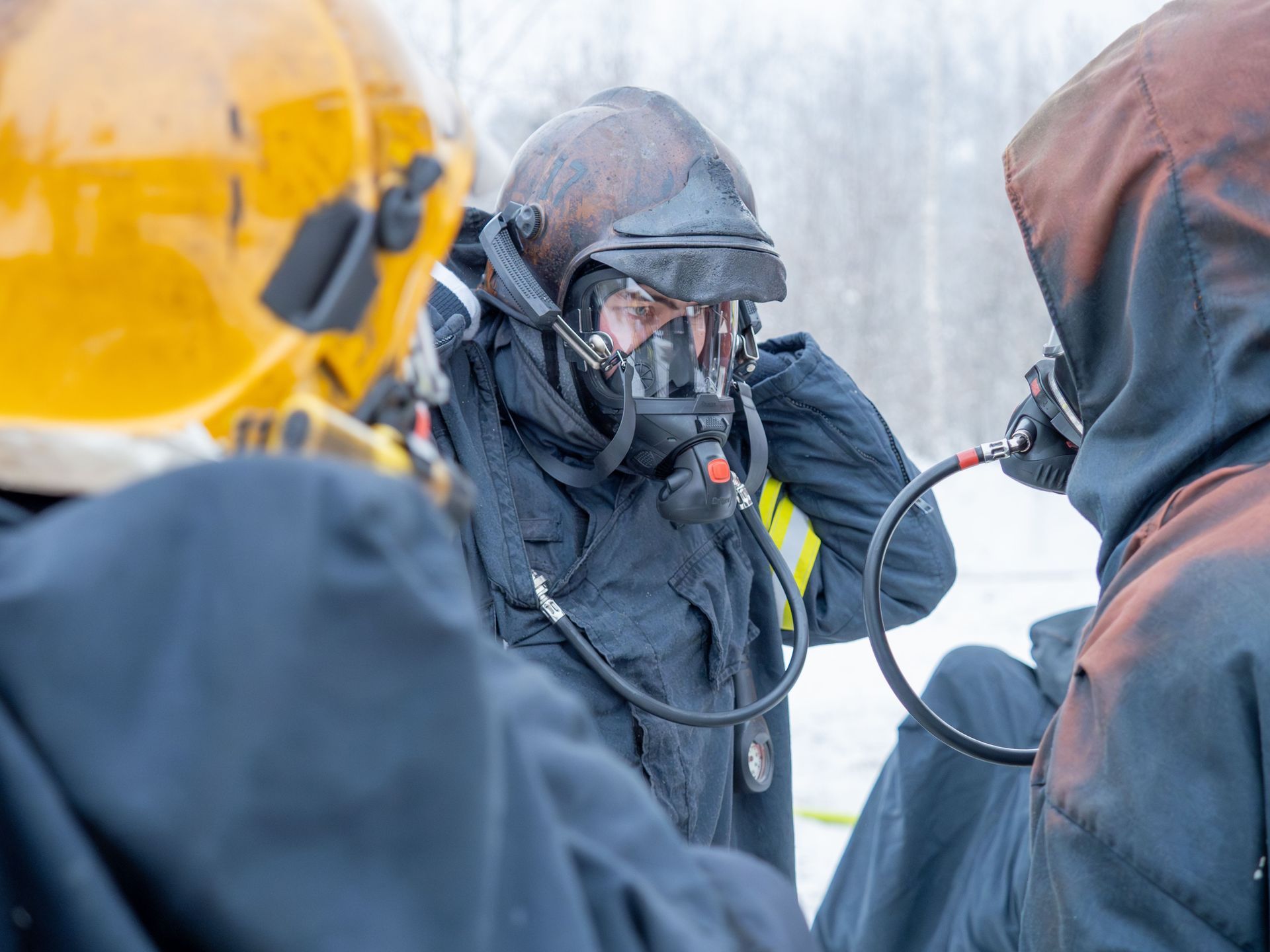
In many workplaces, respirators are considered the last line of defense against airborne hazards. But even the best respirator won’t protect workers if the program behind it is outdated, incomplete, or inconsistently followed. As industries continue to prioritize workplace safety, 2026 is the right time for companies to take a closer look at their respirator protection programs — not because regulations suddenly changed overnight, but because compliance alone does not always guarantee protection. At Anadyne, we believe employers should move beyond “checking the box” and focus on creating programs that genuinely keep workers safe every day on the job. Why Companies Should Review Their Respirator Program Now Many organizations assume that if they passed an inspection or completed fit testing a few years ago, their program is still effective today. Unfortunately, that’s not always the case. A respirator protection program can gradually become outdated due to: Employee turnover Changes in job tasks or exposure risks Improper respirator storage and maintenance Weight fluctuations affecting fit Inconsistent training practices Missing documentation Delayed medical evaluations or fit testing The reality is this: a company can technically remain compliant with minimum requirements and still experience workplace injuries or respiratory exposure incidents. That’s why regular program reviews matter. Compliance Is Only the Beginning Respiratory protection standards are designed to establish minimum safety requirements. However, truly effective programs go further by ensuring workers consistently use and maintain their equipment properly between evaluations and fit tests. A worker may pass a fit test today, but what happens afterward? Are they: Shaving regularly to maintain a proper seal? Replacing filters when needed? Inspecting respirators for damaged seals? Properly storing equipment in sealed bags between jobs? Reporting major physical changes that may affect fit? These day-to-day behaviors determine whether respiratory protection actually works in real-world conditions. What a Complete Respirator Protection Program Should Include An effective respirator protection program should contain several critical components working together. 1. Fit Testing Fit testing confirms that the respirator forms a proper seal on the employee’s face. (objective testing is recommended to rule out known inconsistencies with subjective 'irritant smoke' methods) Even small facial changes, damaged equipment, or improper sizing can compromise protection. 2. Training & Education Training should go beyond simply teaching employees how to wear a respirator. Effective training helps workers understand: Why respiratory protection matters How improper use increases risk How to inspect equipment properly When to replace filters or cartridges Proper cleaning and storage procedures When to report issues or request reassessment The goal is not just passing a test, it’s ensuring workers remain protected every day between tests. 3. Documentation & Written Program Review Proper documentation is essential for both compliance and operational consistency. A written respirator protection program should clearly outline procedures, responsibilities, equipment protocols, training schedules, evaluation records, and emergency processes. Without regular review, written programs can quickly become outdated or disconnected from actual workplace practices. Don’t Wait Until There’s a Problem Delaying a respirator program review is similar to avoiding a routine medical check-up. If concerns already exist, waiting longer often increases the risk of larger problems later. The good news is that most companies can address issues proactively before they become serious safety incidents, compliance violations, or costly disruptions. A review today can help identify gaps early, while solutions are still manageable. How Anadyne Can Help In 2026, Anadyne is proud to expand its respiratory protection services to help companies strengthen workplace safety programs with confidence. Whether you need: Respirator fit testing Program evaluations Training support Written program reviews Guidance on best practices Our team is ready to help you build a program that supports both compliance and worker protection. Schedule a Respirator Program Review Protecting your workforce starts with understanding where your current program stands. Book a consultation with Anadyne today and take the next step toward a safer, stronger respirator protection program. 
By Thalia Whitney October 7, 2025
OSHA hearing conservation programs should be more than just words on a page. Hearing conservation should be a meaningful investment that will prevent hearing injury,
By Thalia Whitney September 4, 2025
There are thousands of custom ear plug options, but what is going to provide protection and stay comfortable over extended times? Anadyne's custom hearing protection
By Thalia Whitney September 4, 2025
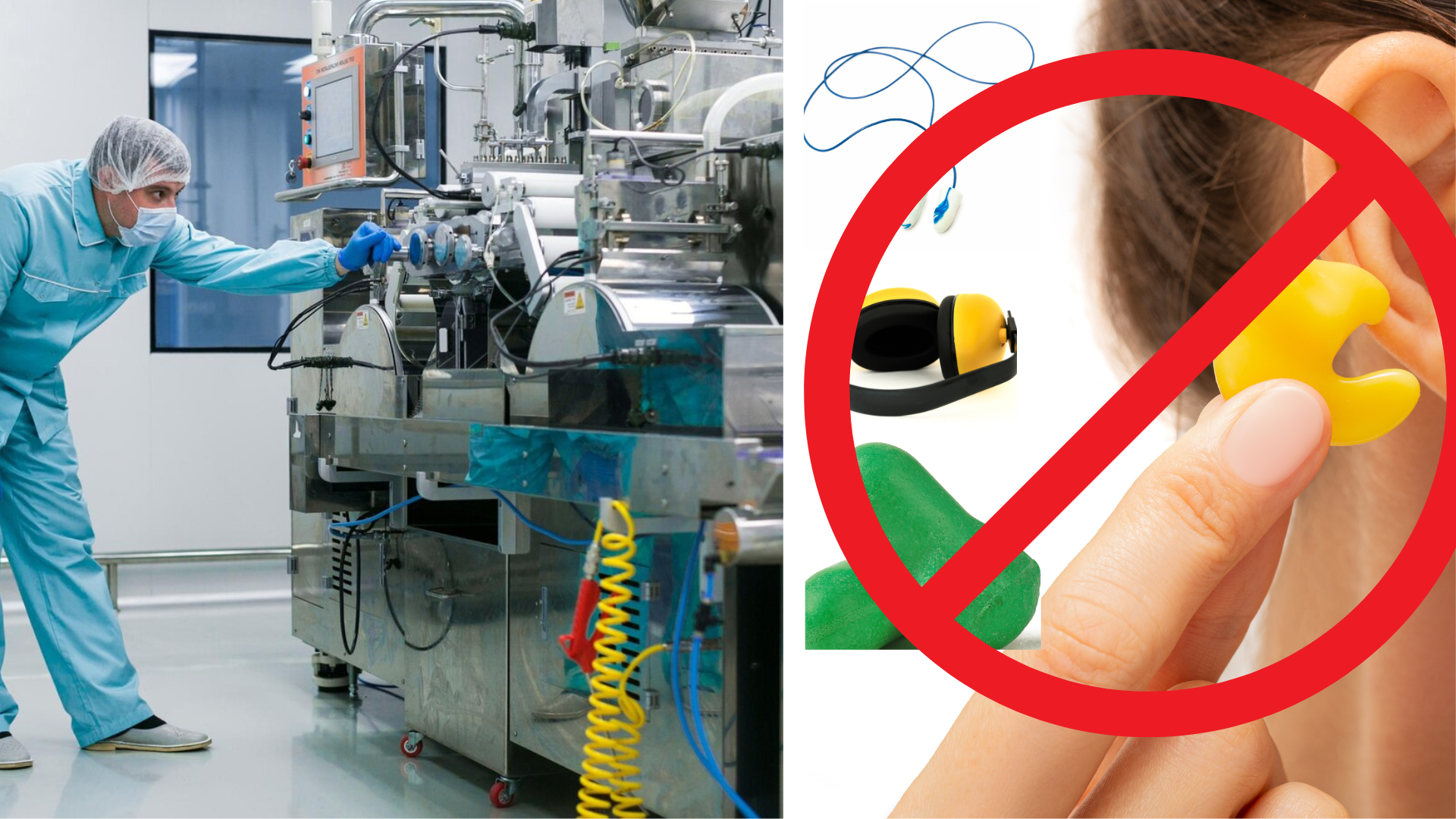
Disposable ear plugs often come at a higher cost than we may expect. Choosing custom ear plugs often leads to substantial savings over time.
By Thalia Whitney September 4, 2025
Choosing an NRR rating depends on the noise exposure of the employees, as well as balancing the need for hearing protection with the need for communication
By Thalia Whitney August 4, 2025
Many companies choose hearing testing & hearing protection for their hearing conservation program. At Anadyne, we're here as a complete hearing conservation solution
By Thalia Whitney August 4, 2025
Mobile hearing testing in the Pacific Northwest is unique compared to other states. That's why choosing a local provider with experience in the area is important
By Thalia Whitney August 1, 2025
Boothless audiometry makes for a better mobile hearing testing experience for everyone involved. Its reliable, efficient, and comfortable, taking the hassle away.
By Thalia Whitney July 2, 2025
Ear fit testing is increasing in popularity. It's important for businesses to know the benefits of performing ear fit testing, and to understand common terms
By Thalia Whitney July 2, 2025
When it comes to hearing conservation, OSHA's noise standard compared with NIOSH varies in several areas, from permissible noise exposure limits to decibel limits