In the New Year, Commit to Protecting Your Hearing

audseo • December 19, 2020

The beginning of a new year is a time when many of us commit to making lifestyle changes that we know will be good for us. This year, why not make a resolution to take better care of your hearing health? You may be surprised to learn that some of the things you might do to protect your ears will have benefits for your general health and well-being, as well.

Those who work in industries that involve regular noise exposure, whether it be manufacturing, construction or entertainment, are at extra risk for noise-induced hearing loss (NIHL). While hearing loss is irreversible, the good news is that it is both preventable and treatable.

Wear Hearing Protection, Limit Noise Exposure

Any noise above 85 dBA (about the amount of noise you experience while mowing the lawn or standing on a busy street) can cause NIHL after about 8 hours of exposure. This is the noise level that NIOSH sets as the maximum amount of allowable noise in the workplace, as it is considered safe with a maximum of 8 hours of exposure. But the EPA (Environmental Protection Agency) recommends limiting average noise exposure over a 24-hour period to 70 dBA, about the maximum volume of a conversation. This means that if you are exposed to a full 85 dBA at work, with a full-time schedule, you’ll need to limit the amount of noise you experience off the job in order to prevent NIHL.

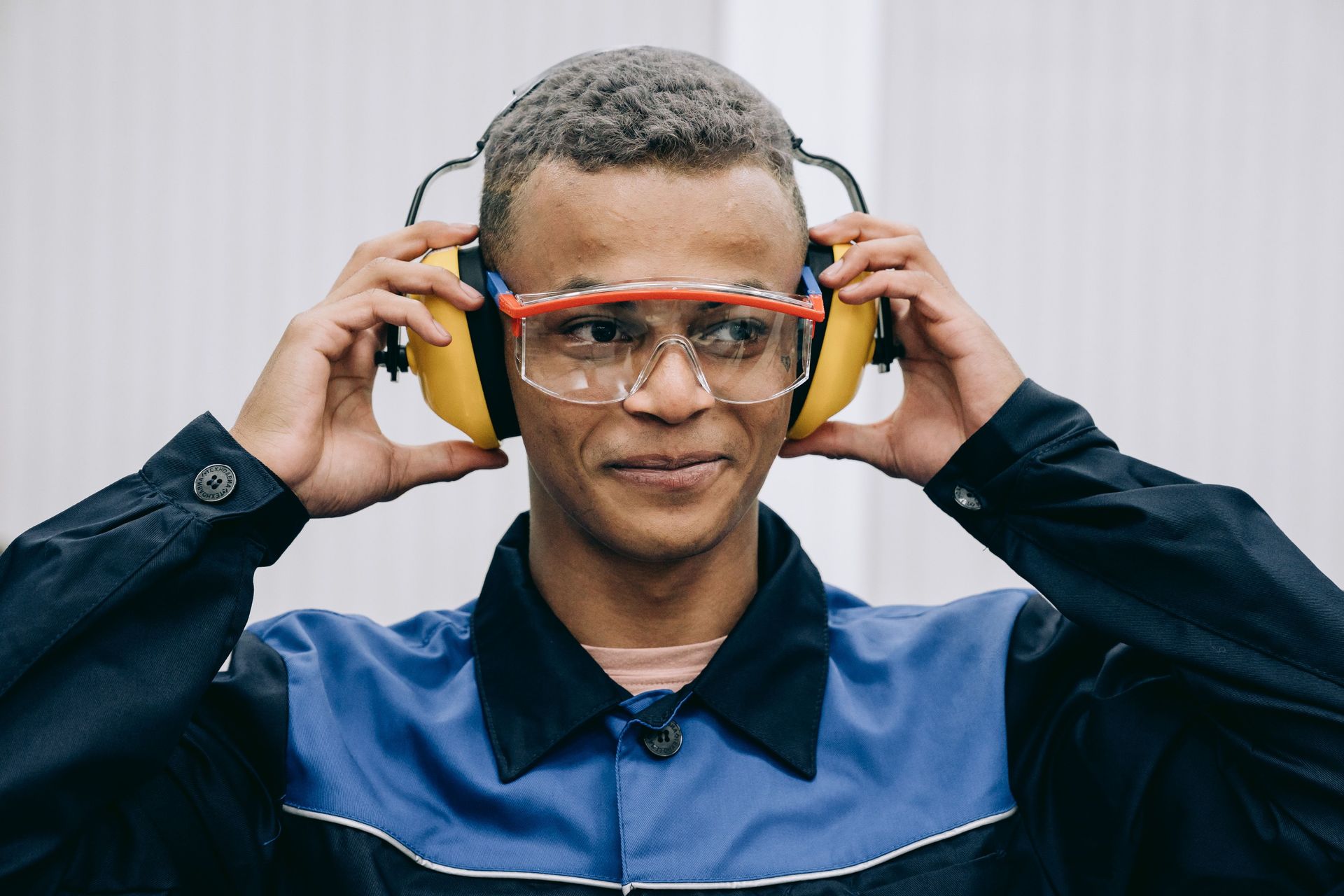
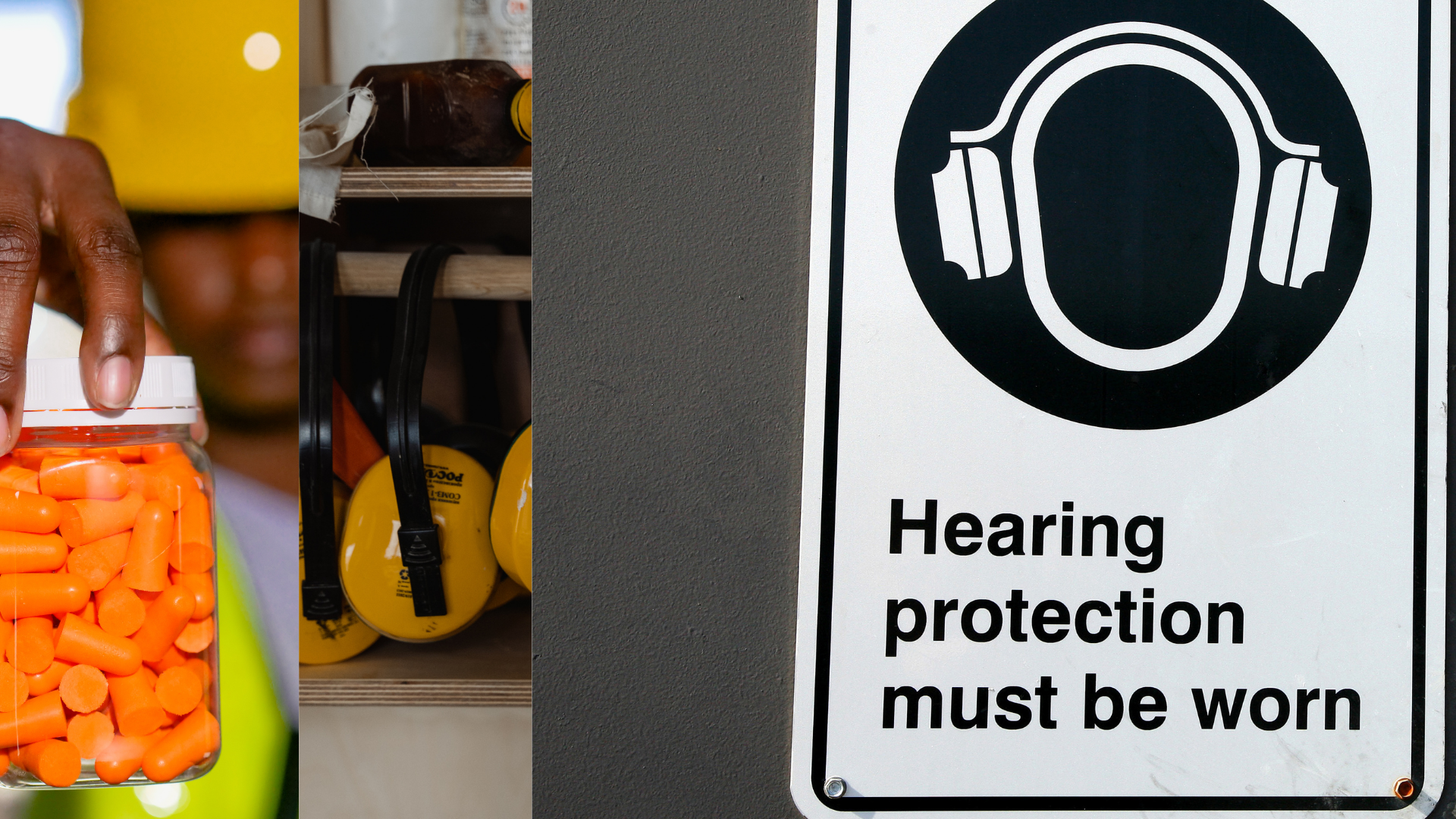
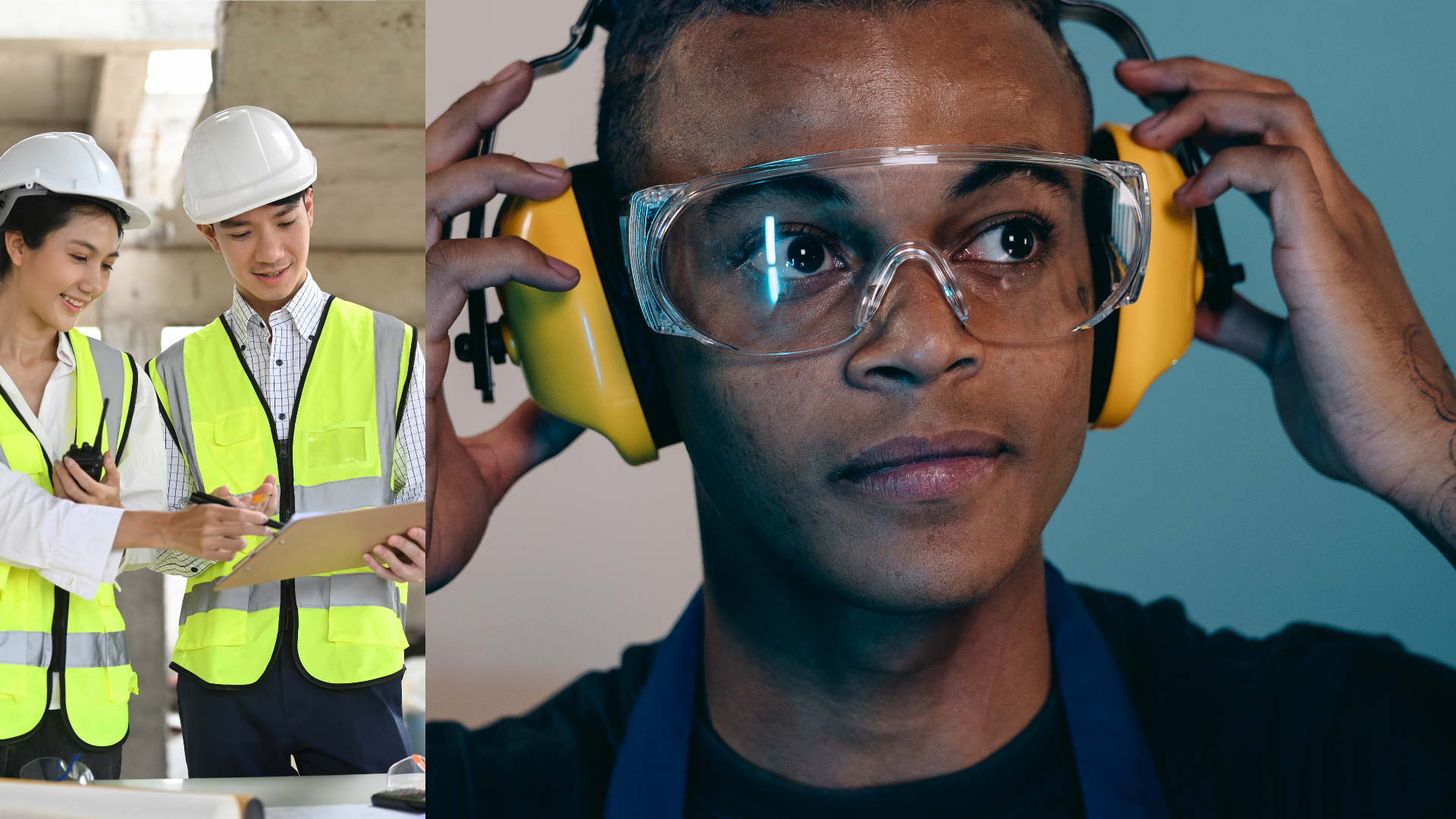
While your employer must provide hearing protection if your work environment exposes you to unsafe noise levels, we often find that workers remove hearing protection or physically adjust it (making it less effective) because they believe it can hinder their ability to perform their job function. Unfortunately, this can worsen any hearing loss that may already be making it difficult to perform tasks while wearing hearing protection. If your current method of hearing protection is not working for you, talk to your employer about switching to a different method, rather than leaving yourself at risk for NIHL.

The need for hearing protection doesn’t end when you punch out! Noisy environments everywhere will contribute to your overall noise input, so even if your workplace has created a sonic environment that has been deemed safe, additional noise outside the workplace can add up to a recipe for NIHL. We all need some sonic “down time,” so try to set aside plenty of time each day when you’re not exposed to too much sound.

Physical Health & Diet

A Japanese study found that workers who spent the same amount of time at the same machines each day had significantly more NIHL if they smoked than those who didn’t. Many additional studies have confirmed that smoking significantly increases the risk for NIHL. If you are currently a smoker, quitting smoking is one of the best ways to protect your hearing ability in the long term. Heavy drinking has also been linked to hearing loss.

The likely reason that smoking causes hearing loss is that it causes inflammation. Other health issues that are linked to inflammation have also been implicated in hearing loss, including heart problems, diabetes, hypertension, high cholesterol and high blood pressure. If you have been diagnosed with any of these health problems, or warned that they might be a problem in the future, the steps you can take to address them will also benefit your hearing health.

A study conducted by Brigham & Women’s Hospital found that closely following an anti-inflammatory diet, such as the Alternate Mediterranean diet (AMED) or Dietary Approaches to Stop Hypertension (DASH), could prevent or slow the progress of hearing loss. As one might guess, these diets have also been shown to have wide-ranging positive effects on physical health.

It seems that our ears might be the “canary in the coal mine” of our bodies. The sensitive cells in our inner ears that are required for us to process sound can be the first to be damaged when our bodies are not in good health. It’s important to make sure our diets contain plenty of the minerals and vitamins that keep our cells functioning properly, so talk to your doctor about your diet and what you can do to make sure you’re getting what you need from it. And remember to always protect your ears in loud environments!

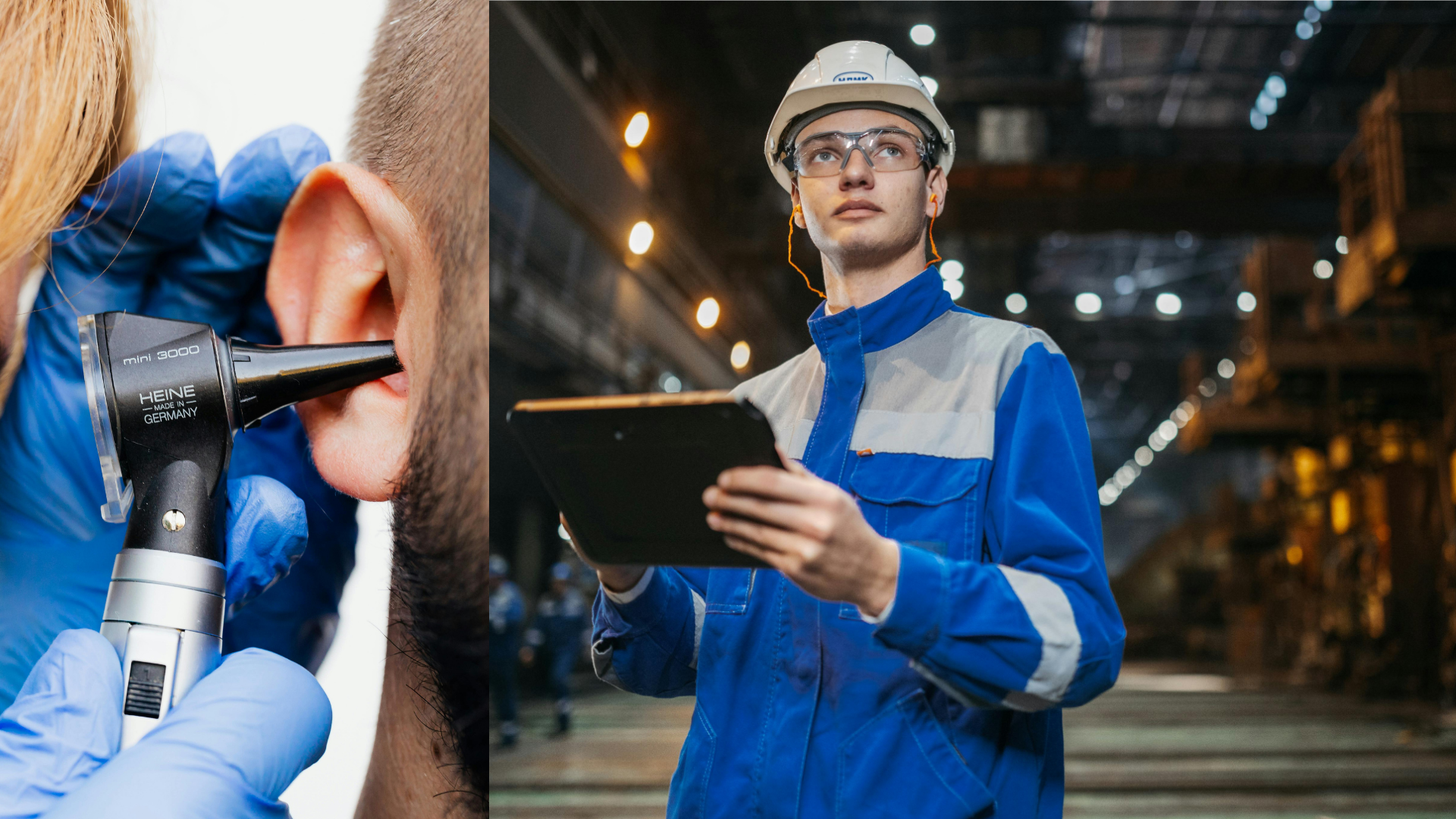
If you work in a noisy environment, hearing protection is important. Just as important is an annual hearing test so you can monitor your hearing abilities. Contact us today to learn more about our hearing testing services.

By Mary Jane Bumanglag May 30, 2026
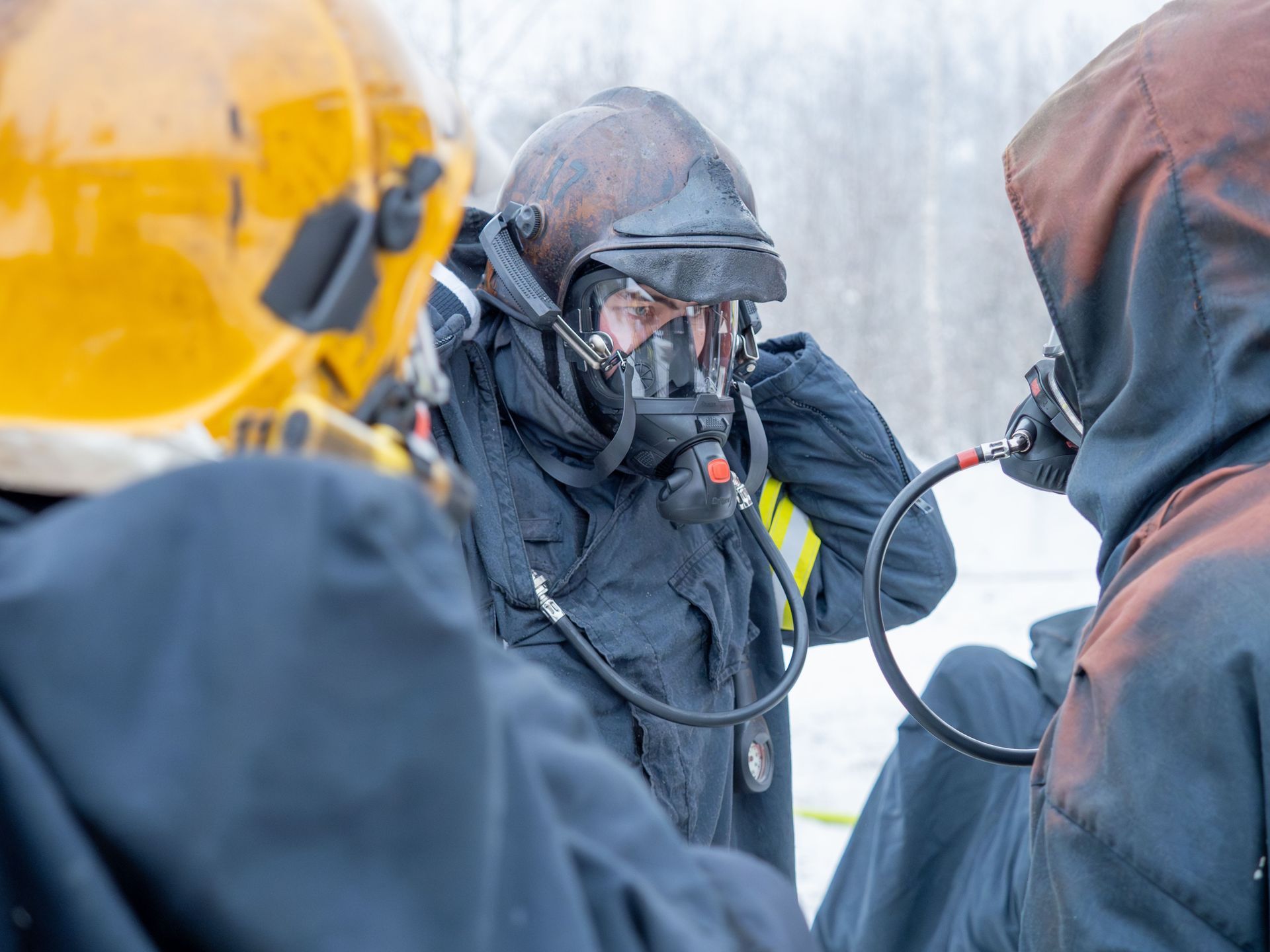
In many workplaces, respirators are considered the last line of defense against airborne hazards. But even the best respirator won’t protect workers if the program behind it is outdated, incomplete, or inconsistently followed. As industries continue to prioritize workplace safety, 2026 is the right time for companies to take a closer look at their respirator protection programs — not because regulations suddenly changed overnight, but because compliance alone does not always guarantee protection. At Anadyne, we believe employers should move beyond “checking the box” and focus on creating programs that genuinely keep workers safe every day on the job. Why Companies Should Review Their Respirator Program Now Many organizations assume that if they passed an inspection or completed fit testing a few years ago, their program is still effective today. Unfortunately, that’s not always the case. A respirator protection program can gradually become outdated due to: Employee turnover Changes in job tasks or exposure risks Improper respirator storage and maintenance Weight fluctuations affecting fit Inconsistent training practices Missing documentation Delayed medical evaluations or fit testing The reality is this: a company can technically remain compliant with minimum requirements and still experience workplace injuries or respiratory exposure incidents. That’s why regular program reviews matter. Compliance Is Only the Beginning Respiratory protection standards are designed to establish minimum safety requirements. However, truly effective programs go further by ensuring workers consistently use and maintain their equipment properly between evaluations and fit tests. A worker may pass a fit test today, but what happens afterward? Are they: Shaving regularly to maintain a proper seal? Replacing filters when needed? Inspecting respirators for damaged seals? Properly storing equipment in sealed bags between jobs? Reporting major physical changes that may affect fit? These day-to-day behaviors determine whether respiratory protection actually works in real-world conditions. What a Complete Respirator Protection Program Should Include An effective respirator protection program should contain several critical components working together. 1. Fit Testing Fit testing confirms that the respirator forms a proper seal on the employee’s face. (objective testing is recommended to rule out known inconsistencies with subjective 'irritant smoke' methods) Even small facial changes, damaged equipment, or improper sizing can compromise protection. 2. Training & Education Training should go beyond simply teaching employees how to wear a respirator. Effective training helps workers understand: Why respiratory protection matters How improper use increases risk How to inspect equipment properly When to replace filters or cartridges Proper cleaning and storage procedures When to report issues or request reassessment The goal is not just passing a test, it’s ensuring workers remain protected every day between tests. 3. Documentation & Written Program Review Proper documentation is essential for both compliance and operational consistency. A written respirator protection program should clearly outline procedures, responsibilities, equipment protocols, training schedules, evaluation records, and emergency processes. Without regular review, written programs can quickly become outdated or disconnected from actual workplace practices. Don’t Wait Until There’s a Problem Delaying a respirator program review is similar to avoiding a routine medical check-up. If concerns already exist, waiting longer often increases the risk of larger problems later. The good news is that most companies can address issues proactively before they become serious safety incidents, compliance violations, or costly disruptions. A review today can help identify gaps early, while solutions are still manageable. How Anadyne Can Help In 2026, Anadyne is proud to expand its respiratory protection services to help companies strengthen workplace safety programs with confidence. Whether you need: Respirator fit testing Program evaluations Training support Written program reviews Guidance on best practices Our team is ready to help you build a program that supports both compliance and worker protection. Schedule a Respirator Program Review Protecting your workforce starts with understanding where your current program stands. Book a consultation with Anadyne today and take the next step toward a safer, stronger respirator protection program. 
By Thalia Whitney October 7, 2025
OSHA hearing conservation programs should be more than just words on a page. Hearing conservation should be a meaningful investment that will prevent hearing injury,
By Thalia Whitney September 4, 2025
There are thousands of custom ear plug options, but what is going to provide protection and stay comfortable over extended times? Anadyne's custom hearing protection
By Thalia Whitney September 4, 2025
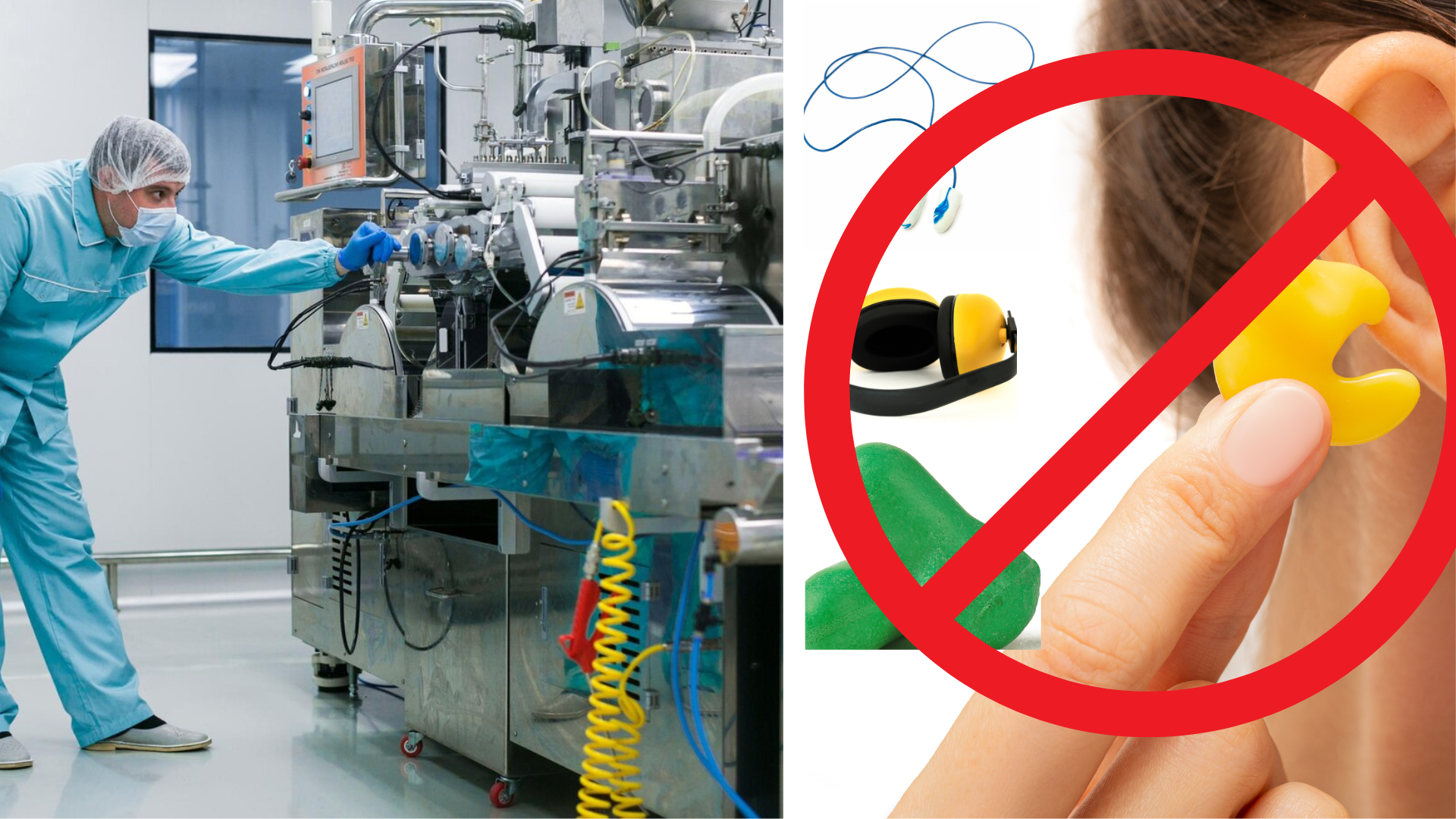
Disposable ear plugs often come at a higher cost than we may expect. Choosing custom ear plugs often leads to substantial savings over time.
By Thalia Whitney September 4, 2025
Choosing an NRR rating depends on the noise exposure of the employees, as well as balancing the need for hearing protection with the need for communication
By Thalia Whitney August 4, 2025
Many companies choose hearing testing & hearing protection for their hearing conservation program. At Anadyne, we're here as a complete hearing conservation solution
By Thalia Whitney August 4, 2025
Mobile hearing testing in the Pacific Northwest is unique compared to other states. That's why choosing a local provider with experience in the area is important
By Thalia Whitney August 1, 2025
Boothless audiometry makes for a better mobile hearing testing experience for everyone involved. Its reliable, efficient, and comfortable, taking the hassle away.
By Thalia Whitney July 2, 2025
Ear fit testing is increasing in popularity. It's important for businesses to know the benefits of performing ear fit testing, and to understand common terms
By Thalia Whitney July 2, 2025
When it comes to hearing conservation, OSHA's noise standard compared with NIOSH varies in several areas, from permissible noise exposure limits to decibel limits