By Mary Jane Bumanglag
•
July 13, 2026
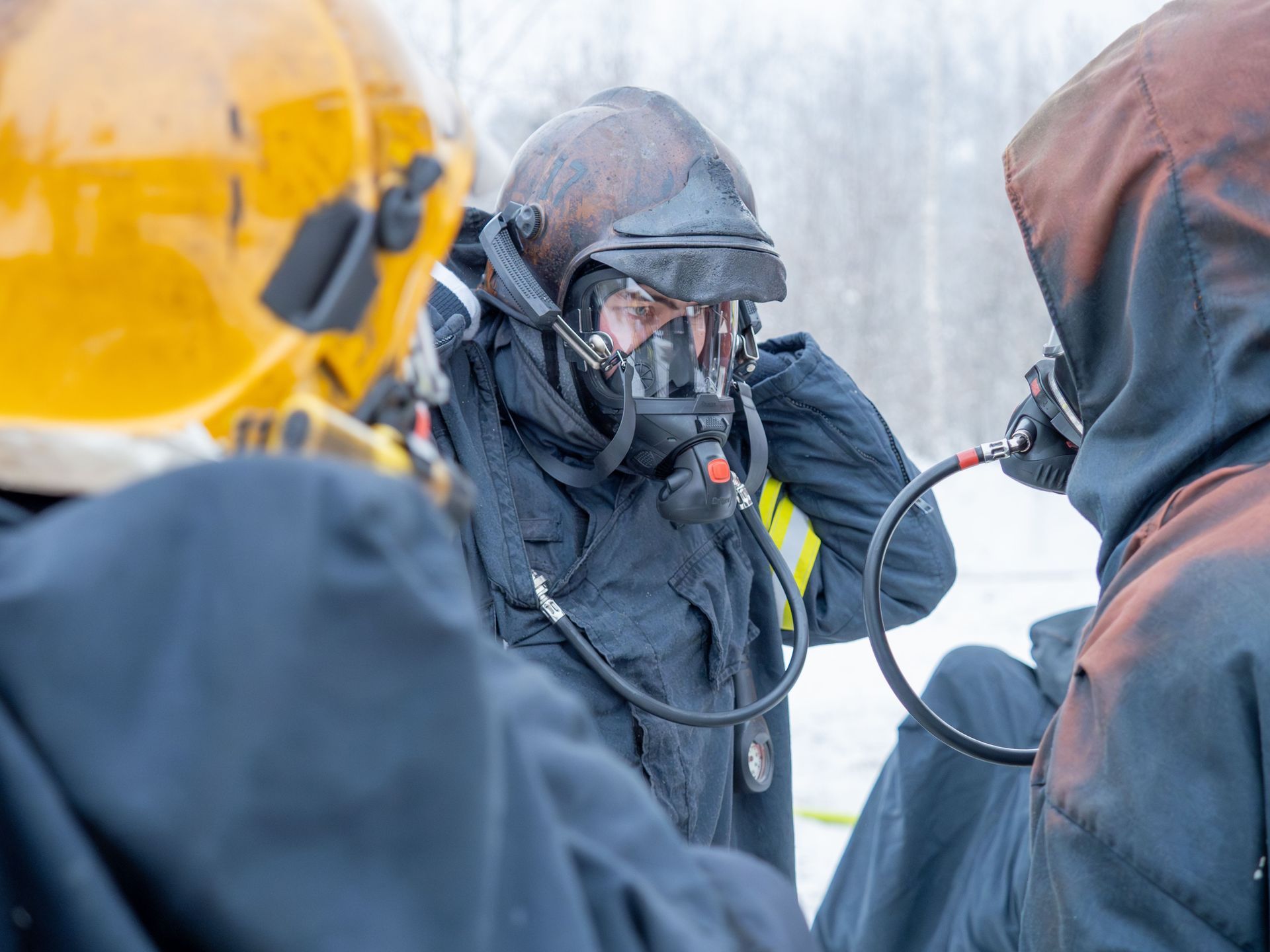
Respirators are only effective when they fit correctly. Even the highest-quality respirator cannot provide the protection it's designed for if the seal between the respirator and the wearer's face is compromised. That's why annual respirator fit testing is more than just a regulatory requirement—it's an essential part of protecting your workforce, reducing liability, and maintaining a safe workplace. If your annual fit testing deadline is approaching, now is the time to schedule. Waiting until the last minute can lead to unnecessary delays, compliance issues, and increased risk for your employees. Why Is Annual Respirator Fit Testing Required? Annual fit testing is required by OSHA for employees who wear tight-fitting respirators as part of their job. While the annual requirement satisfies regulatory compliance, it also serves a much more important purpose: confirming that each employee's respirator still fits properly. A respirator that fit perfectly last year may no longer provide adequate protection today. Changes that can affect respirator fit include: Weight gain or weight loss Changes in facial structure Different respirator sizes or models Wear and tear on the respirator itself Damaged face seals or malfunctioning valves Annual testing gives employers confidence that their workers remain protected while giving employees peace of mind that their respirator is functioning as intended. The Biggest Misconception About Annual Fit Testing One of the most common misconceptions is that once an employee passes a fit test, they're protected indefinitely. In reality, respirators come in different sizes, and employees' faces can change over time. Even a small change can affect the seal, reducing the respirator's effectiveness. Another overlooked issue is equipment condition. During fit testing, damaged facepieces, cracked seals, or faulty exhalation valves are often discovered—problems that may otherwise go unnoticed until the respirator fails when it's needed most. Annual fit testing helps identify these issues before they become workplace safety incidents. Skipping annual fit testing can create significant risks for both employers and employees. Reduced Respiratory Protection - A respirator that no longer seals properly allows contaminated air to bypass the filter, exposing workers to hazardous airborne substances. Compliance Violations - Missing required fit testing can result in OSHA non-compliance, potentially leading to citations, fines, and increased legal liability. Increased Workplace Risk - Employees who are unsure whether their respirator fits correctly may lose confidence in their protective equipment, affecting both safety and morale. Simply wearing the correct respirator model isn't enough. If the seal fails—even because of a worn valve or damaged facepiece—the respirator may not provide the expected level of protection. What Happens During a Respirator Fit Test? Many employees expect fit testing to be uncomfortable or time-consuming, but the process is straightforward. A typical fit testing appointment includes: Medical Clearance - Before fit testing, employees usually complete a medical clearance questionnaire to ensure they are medically able to wear a respirator. The survey helps identify conditions that may require further medical evaluation, such as respiratory illnesses or other health concerns. Bring Your Respirator - Employees should bring the respirator they normally use and know its size (small, medium, or large). The Fit Test - The actual fit test generally takes about 10 minutes . During the test, the technician will ask the employee to perform several movements while wearing the respirator, including turning the head side to side, looking up and down, leaning forward, and speaking or reading aloud. These movements help verify that the respirator maintains a proper seal during normal work activities. Scheduling your Fit Testing early Many companies wait until their compliance deadline is just weeks away. Unfortunately, this often means limited appointment availability, scheduling conflicts, delays in completing testing, and increased administrative pressure. At Anadyne, we recommend scheduling your annual fit testing approximately three months before your deadline . Early scheduling gives both your organization and your provider enough time to plan efficiently, accommodate employee schedules, and avoid the busy compliance season. There are also important considerations that organizations should keep in mind during the testing to avoid these common but preventable respirator compliance mistakes: Employees Arriving with Facial Hair - Tight-fitting respirators require a complete seal against the face. Beards, stubble, and even one day's growth can prevent an employee from passing a fit test. Not Having Multiple Respirator Sizes Available - Not every employee fits the same respirator size. Having only one size available can delay testing and reduce protection. Treating Fit Testing as Just Another Requirement - Fit testing isn't simply paperwork for compliance. It's an opportunity to verify that respiratory protection is actually working as intended. Why Choose Anadyne for Respirator Fit Testing? For years, Anadyne has helped organizations strengthen their respiratory protection programs through reliable, professional fit testing services. When you partner with Anadyne, you receive: Experienced respiratory protection specialists Objective quantitative fit testing Accurate, reliable reports Support for OSHA compliance requirements Consultative guidance for your overall safety and respiratory protection program Our goal isn't simply to complete your annual testing—it's to help you build a safer workplace. Anadyne is also aware that not all fit testing methods provide the same level of accuracy.. Traditional qualitative methods rely on the wearer's senses—asking whether they can smell or taste a test agent. Anadyne uses a method called Objective quantitative fit testing , which utilizes specialized equipment to measure respirator performance and provide measurable data. This approach offers objective pass or fail results, greater accuracy, reliable documentation, and increased confidence in employee protection. When respiratory hazards are involved, objective measurements provide employers with stronger evidence that their respiratory protection program is working effectively. Schedule Your Annual Fit Testing Today Annual respirator fit testing protects your employees, supports OSHA compliance, and helps ensure your respiratory protection program performs when it matters most. Don't wait until the last minute. Schedule your annual respirator fit testing at least three months before your compliance deadline to avoid delays and keep your workforce protected. Contact Anadyne today to book your respirator fit testing and keep your compliance program on track .